


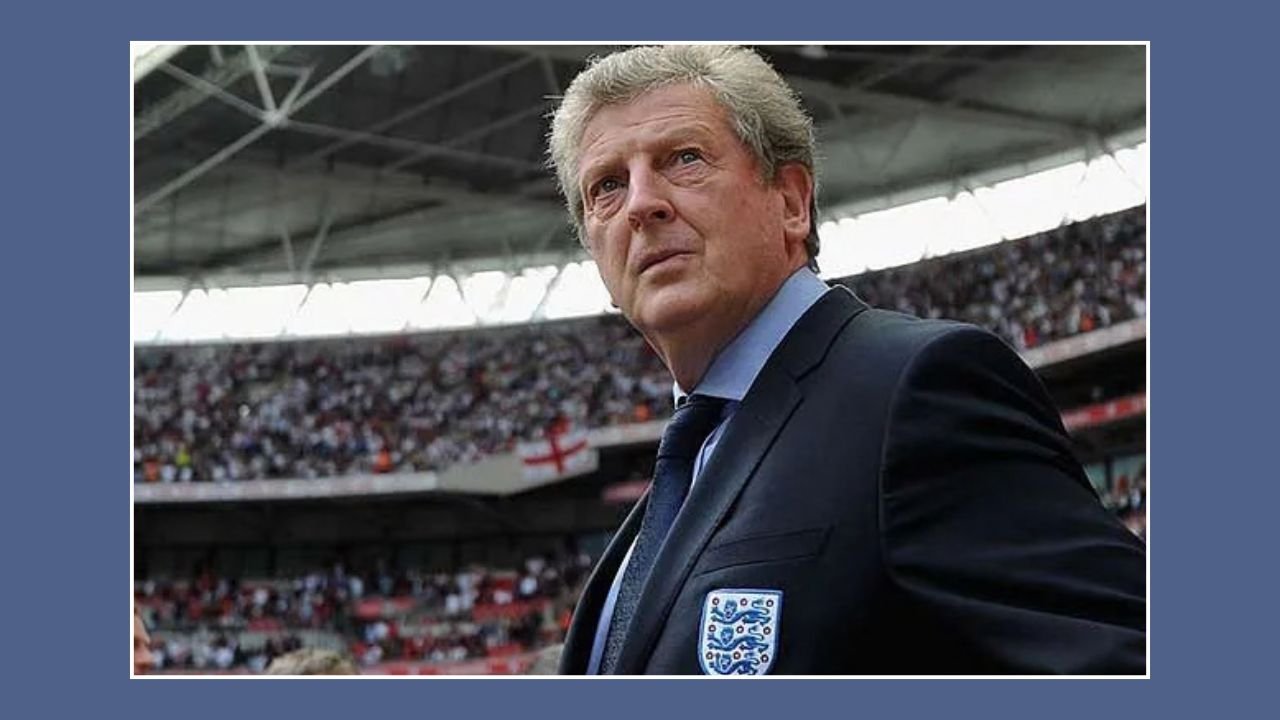
England Roy Hodgson’s Historic Influence
Roy Hodgson, known widely across the footballing world, stands as one of England’s most experienced and respected football managers. His England Roy Hodgson chapter remains a defining era in English football history. Not only did he bring stability to the national team, he also left a lasting imprint. His work shaped coaching philosophies, player development, and expectations for leading England. This article explores Hodgson’s life, his career challenges, and his enduring legacy. It also looks at his influence beyond his England managerial period into 2025 and 2026.
Early Life and Path to Coaching
Childhood and Playing Days
Roy Hodgson was born on August 9, 1947. From an early age, football played a central role in his life. Although he never became a high-profile professional player, he turned his passion for the sport into a long and impactful managerial career. His early playing days in non-league clubs, along with his time in South Africa, gave him valuable experience both on and off the pitch.
Teaching and Early Coaching Foundations
Hodgson’s formal coaching journey began after he completed teacher training with a focus on physical education. His ability to communicate, educate, and organize players was rooted in this early teaching background. It proved invaluable in guiding his teams tactically, psychologically, and physically throughout his career.
The Long Road to Recognition
First Steps Abroad
Before becoming synonymous with English football, Hodgson built his managerial identity overseas. He coached teams in Sweden and beyond, winning unexpected titles and gaining a reputation as a meticulous, disciplined tactician. These early years shaped his football philosophy that valued structure, collective effort, and adaptability across leagues and international competitions.
International Management Experience
His success with the Switzerland national team at the 1994 World Cup and his notable performance with Finland, achieving their highest ever FIFA ranking, revealed his ability to uplift teams with limited resources or national footballing pedigree. This international experience eventually brought him to the biggest stage of all: England.
England Roy Hodgson Era: Leadership of the Three Lions
Appointment as England Manager
In May 2012, the Football Association appointed England Roy Hodgson as manager of the national team.The Football Association entrusted him with the challenge of leading one of the world’s most scrutinized football teams. His calm demeanor, experience, and tactical knowledge made his appointment both respected and debated by fans and pundits alike.
Early Matches and Tactical Approach
Hodgson’s tenure began with a cautious yet effective style. Hodgson’s teams displayed disciplined defense, strong organization, and unwavering commitment. While not always the most exciting to watch, England under Hodgson consistently featured a structured approach that prioritized control and tactical balance.
Major Tournaments and Performances
During his time as England manager, Hodgson led the Three Lions in several major events. These included the UEFA Euro 2012, 2014 FIFA World Cup, and UEFA Euro 2016. Each tournament presented unique tests, and England’s performances varied from fight‑back resilience to disappointing early exits. Ultimately, the 2016 European Championships marked the end of his England tenure following a shock defeat that led him to step down.
Relationships with Players
Hodgson’s rapport with players was often rooted in mutual respect. He believed strongly in teamwork, discipline, and towards the end of his England stint he helped nurture younger talents emerging into the national spotlight. Many of these players continued into the next generation of England football, influencing squad depth in future campaigns.
Post‑England Career and Continued Influence
Career After England
After stepping down from his role with England in 2016, Hodgson never strayed far from the game.Hodgson continued coaching at the club level, most notably with Crystal Palace and Watford. He applied his vast experience to domestic football. Even as he aged, his presence in the football world remained strong. This showed a level of dedication seldom seen at such an advanced stage in a manager’s career.
Personal Reflections on England Tenure
In interviews about his time as England boss, Hodgson often expressed pride in leading his country. He spoke openly about both his successes and regrets. Hodgson acknowledged the honour of representing England and the challenges of facing the world’s top football teams. He emphasized that learning and resilience were key parts of his journey.
How England Roy Hodgson Changed Coaching Expectations
Tactical Discipline and Structure
One hallmark of Hodgson’s influence is the standard he set for disciplined football management. His emphasis on tactics, defensive solidity, and team unity became a template many coaches would refer to, especially when dealing with the demands of international football.
Leadership in Adversity
Hodgson’s calm leadership during times of pressure – both during disappointing results and high‑stakes tournaments – offered an example of professional steadiness. His approach underscored how to remain composed in front of an intense media and fan spotlight, shaping what many view as the backbone of successful international coaching.
Longevity in Football
Few managers have enjoyed the durability Hodgson has shown, coaching across decades and continents. This longevity helped redefine expectations for career managers, proving that adaptability and continuous learning can sustain relevance well past typical retirement age.
Legacy Beyond 2025 and 2026
Respect Across Generations
As of 2026, Roy Hodgson remains a figure of admiration for many football fans, players, and club officials. His impact extends beyond his win‑loss record; he is celebrated for commitment, longevity, and leadership that emphasized respect for the sport itself.
Influence on Future England Managers
Even after his tenure, England’s subsequent managers benefited from the groundwork Hodgson laid. His commitment to integrating emerging talent and structuring national teams has helped shape how England approaches major competitions and tactical consistency.
Recognition and Continuing Presence
Hodgson’s presence in public life, whether through appearances at matches or media commentary, shows his continued passion for football. He remains a respected voice whose insights continue to influence discussions about national team strategy, management philosophy, and the evolving demands of modern football.
Conclusion: England Roy Hodgson’s Enduring Legacy
The story of England Roy Hodgson is one of determination, resilience, and tactical intelligence. His journey from early coaching in foreign leagues to guiding England on the world stage offers invaluable lessons about leadership, adaptation, and the complexities of international football management. His legacy continues to influence how the game is coached, discussed, and appreciated in England and beyond.
Whether as a manager, mentor, or football elder statesman, Roy Hodgson’s name will always be tied to an era of transition in English football, where discipline and development became key components of national team building and strategy.
READ MORE: Laura Trott: Legendary Track Queen Who Redefined Cycling Greatness
