


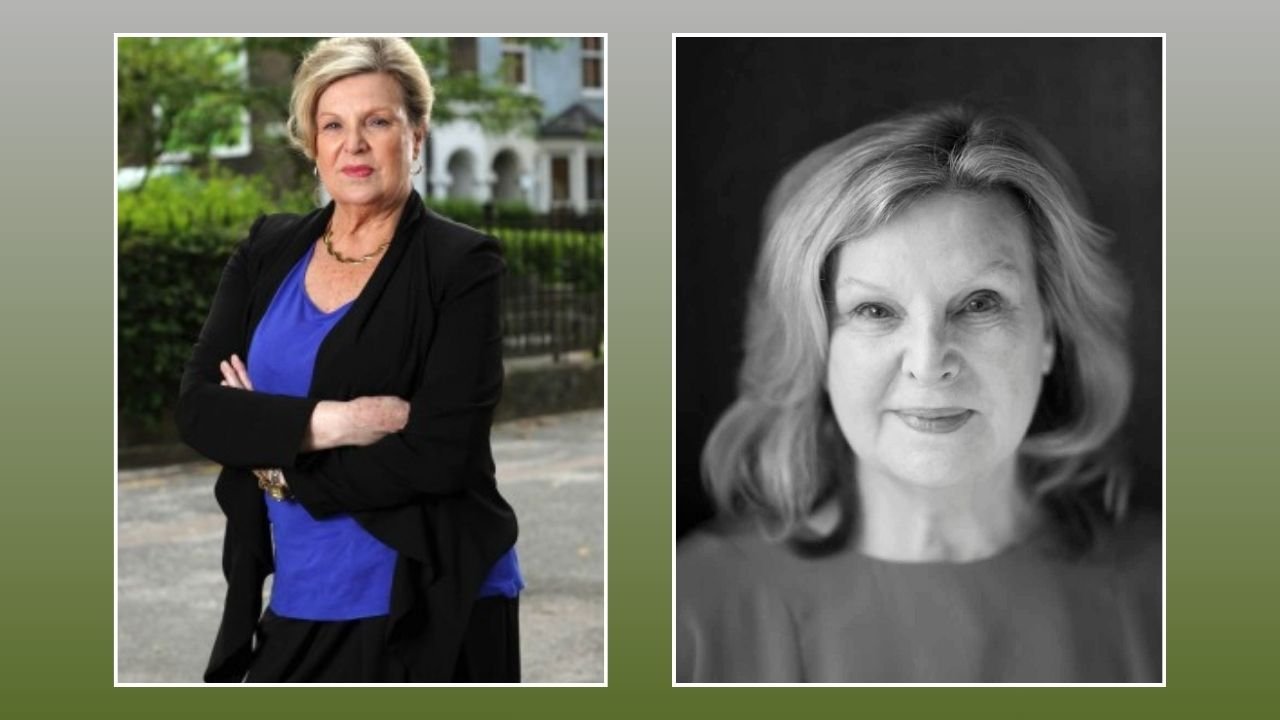
Ann Mitchell is one of the most respected and enduring actresses from the United Kingdom, whose career spans more than six decades across theatre, television, film, and radio. Her journey from acting school to iconic roles in major productions reflects not only her immense talent but also her commitment to the craft of performance and artistic evolution. Known for her powerful screen presence and versatility, ann Mitchell has become a name associated with nuanced portrayals and memorable characters in British entertainment.
Early Life and Foundations of a Storied Career
Born on 22 April 1939 in Stepney, London, England, ann mitchell grew up during a changing era in British culture and arts. She attended Raine’s Foundation School and later earned a scholarship to train at the prestigious East 15 Acting School, where she studied under influential theatre practitioners. This early period provided the fundamentals of her craft and fostered a dedication to range and depth in performance.
Unlike many performers who find quick success, Mitchell built her career slowly through varied roles in theatre and television. That discipline and breadth of training have contributed to her ability to embody a wide variety of characters throughout her life.
Theatre: A Lifelong Love and Artistic Playground
Theatre has always been at the heart of ann Mitchell’s artistic expression. From the early years of her career, she embraced stage roles that demanded emotional intensity and technical skill. Over the decades, she delivered unforgettable performances in classic and contemporary plays.
Landmark Stage Performances
One of Mitchell’s standout achievements came with her celebrated portrayal of Hecuba in the Royal Shakespeare Company’s monumental production of Tantalus. She played multiple roles—Hecuba, Nurse, and Aethra—demonstrating her ability to shift between emotional registers and cultural contexts. Critics praised her fierce presence and emotional honesty in these demanding parts.
Another highlight was her powerful performance as Martha in Through the Leaves, which earned her nominations for both the Laurence Olivier Award and the London Evening Standard Theatre Award, two of British theatre’s most prestigious honors. Her work in this play was noted for its raw depth and emotional complexity.
Pioneering Roles and Creative Leadership
Ann’s theatrical contributions are not limited to acting. She has directed and co-written plays and led productions with a strong social voice. For example, she guided Voices from Prison and adapted Cathy Come Home for the stage, projects that connected audiences with themes of social justice and human resilience.
Her direction of SUS at the Royal Court Theatre further showcased her ability to influence modern theatre beyond performance, proving her versatility in shaping narratives for stage.
Television: Iconic Roles That Define British TV
While theatre occupies a foundational place in ann mitchell’s career, her television roles brought her international recognition and connected her to a wide audience.
Breakthrough with Widows
Mitchell gained widespread attention in the 1980s for her role as Dolly Rawlins in the crime drama Widows, written by Lynda La Plante. The character became one of her most iconic television roles, earning acclaim for portraying resilience, resourcefulness, and emotional truth in the face of adversity. This performance also earned her a Pye Television Award for making the greatest impact on TV that year.
Cora Cross in EastEnders
In 2011, Mitchell was cast as Cora Cross in the BBC’s long-running soap opera EastEnders, one of British television’s most enduring and influential serial dramas. Her portrayal of Cora—a morally complex, strong‑willed character—earned her a dedicated fan following and reinforced her ability to anchor major storylines in high‑profile productions.
Her tenure on EastEnders extended over several years, with intensity and nuance that made Cora one of the most memorable figures on Albert Square.
TV Work Beyond Soap Drama
In addition to these headline roles, Mitchell has appeared in many acclaimed television series across genres. Her credits include Silent Witness, Vera, Call the Midwife, The Gold, and other significant UK dramas. These appearances demonstrate her adaptability and relevance across decades of evolving television styles.
Film Contributions: Screen Work Across Generations
Although theatre and television occupy central places in her professional life, ann Mitchell has also contributed significantly to film. Her cinematic work includes roles in both independent and mainstream films. Notable film credits include Widows (2018), directed by Steve McQueen, and The Deep Blue Sea (2011).
Through these roles, Mitchell brought a depth of humanity to characters on the big screen, further expanding her reach beyond British theatre and television.
Education, Mentoring and Broader Influence
Beyond her own performances, Mitchell has given back to the acting community through teaching and mentorship. She has taught at prominent institutions including the Guildhall School of Music and Drama, the Royal Academy of Dramatic Art (RADA), East 15 Acting School and others.
Her guidance has shaped the careers of many young actors, underscoring her influence not only as a performer but also as a mentor who contributes to the future of the performing arts.
Awards and Professional Recognition
Throughout her career, ann Mitchell has received critical recognition and industry honors. Highlights include:
- Pye Television Award for her impact on television with Widows in the 1980s.
- Laurence Olivier Award Nomination for Best Actress for Through the Leaves.
- London Evening Standard Theatre Award Nomination for Best Actress.
- Honorary Doctorate of Arts awarded by the University of East London in recognition of her lifelong contribution to the arts.
These honors reflect both her artistic merit and her lasting impact on the British cultural scene.
Legacy and Continuing Influence in 2025–2026
Now in her mid‑80s, ann mitchell continues to act and contribute to performance projects with energy and professionalism. Her roles as of 2025 and 2026 include appearances in acclaimed television series and productions that bridge classic and contemporary storytelling.
Her body of work remains influential for aspiring actors and theatre‑lovers alike, representing a model of consistency, depth, and range. She has not only entertained audiences but also contributed to the growth of British dramatic arts through her leadership, mentorship, and creative evolution.
Conclusion
In summary, Ann Mitchell stands as a true icon of British performing arts. Her extraordinary career, spanning theatre, television, and film, reflects not only immense talent but also dedication, resilience, and a commitment to meaningful storytelling. From her unforgettable stage performances to her defining television roles, she has consistently brought depth, authenticity, and emotion to every character she portrays. Beyond her professional achievements, Mitchell’s mentorship and influence on younger generations of actors ensure that her legacy extends far beyond her own performances. As she continues to contribute to the arts in 2025 and 2026, Ann Mitchell remains a symbol of excellence, inspiring audiences and performers alike, and solidifying her place as one of the UK’s most respected and enduring actresses.
READ MORE: Daniel Broglie: Swiss Business Leader Shaping Future Trade
