


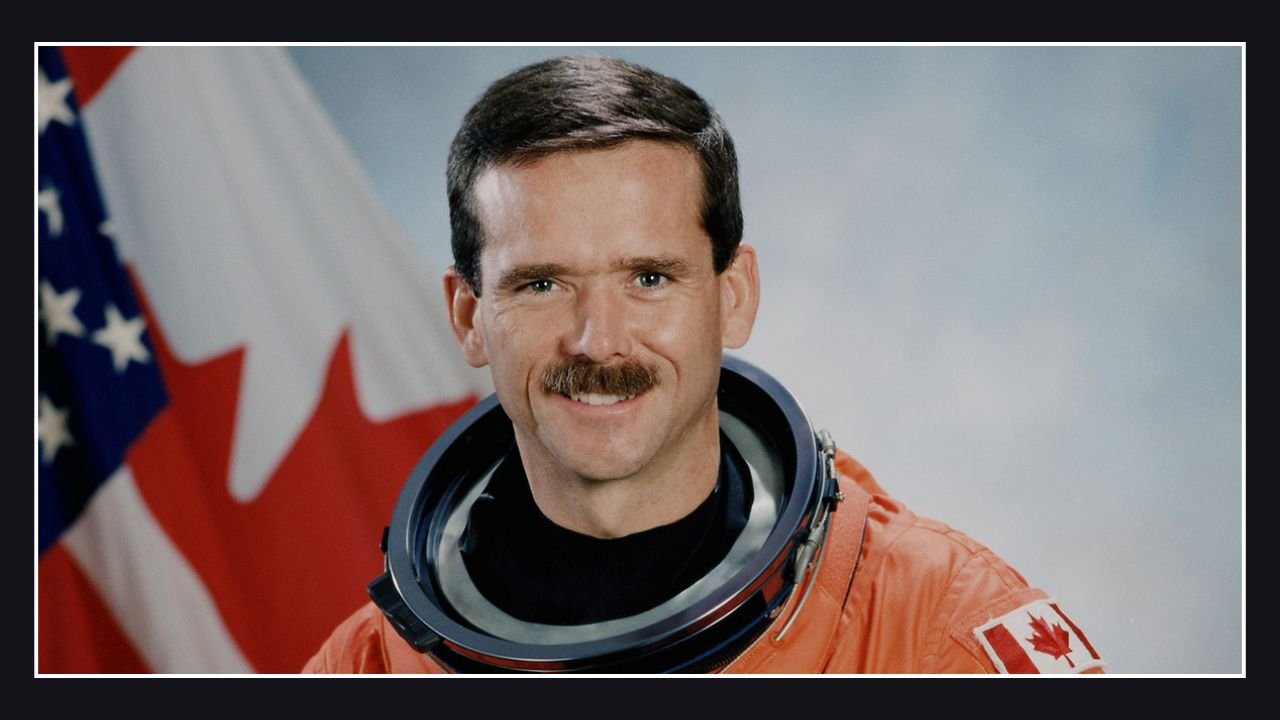
Chris Had is a name that connects courage, curiosity, and achievement in the world of space exploration. Although the phrase might look simple, the stories behind it are anything but basic. Chris Had represents one of the most influential figures in modern astronaut history. His accomplishments continue to motivate future generations to reach beyond Earth’s boundaries and discover what lies among the stars.
In this article, we will explore Chris Had’s life, career, contributions to science and culture, and his legacy by 2025–2026. Each section offers clear and engaging insight, making this content easy to read and understand.
Who Is Chris Had?
Chris Had refers to Christopher Hadfield, a renowned astronaut who made a lasting impact on space exploration. Early in his career, he showed great promise as a pilot and engineer. Later, he became one of Canada’s most celebrated astronauts and an international ambassador for science and education.
Although many people know about astronauts from different nations, Chris Had’s unique personality and approach to sharing his experiences helped him stand out. He not only explored space, but he also brought it closer to everyday life through his engaging communication with audiences around the world.
Early Life and Passion for Flight
Childhood and Interests
Chris Had was born into an environment that valued learning and exploration. From a young age, he developed a deep interest in aviation and space. His curiosity was not limited to textbooks. Instead, he constantly sought real experiences that helped him understand the world better.
He spent much of his youth reading about aircraft, studying science, and engaging in hands‑on learning. His fascination with how machines work and his desire to push boundaries drove him toward a future in flight.
Education and Training
Chris Had pursued formal education geared toward aerospace and engineering. He understood that becoming an astronaut required not only passion but also strong academic knowledge. As a result, he committed himself to studies that sharpened his technical skills.
His education laid the foundation for his future accomplishments. It helped him build the expertise needed to operate complex machinery and understand the physical forces at play during space missions.
Becoming an Astronaut
The Road to Selection
The path to becoming an astronaut is extremely competitive. Chris Had dedicated years of his life to preparing for this opportunity. His experience as a pilot and engineer made him stand out among other candidates. However, it was his persistence, discipline, and willingness to learn that ultimately secured his place.
In addition to technical skills, space agencies look for individuals who can adapt to unpredictable situations. Chris had demonstrated these qualities repeatedly throughout his training.
Training for Space Missions
Preparation for space missions is intense. Candidates go through rigorous physical conditioning, simulations, and specialized training in robotics, spacecraft systems, and survival skills. Chris Had completed each phase with determination.
This training not only prepared him physically but also strengthened his ability to manage stress, communicate effectively, and make quick decisions under pressure. These qualities are essential for astronauts working in isolated and high‑risk environments.
Major Space Missions
First Flights and Early Success
Chris Had’s career includes several important space missions. Each mission helped expand human knowledge and tested new technologies essential for future exploration. His first flights introduced him to life beyond Earth’s atmosphere and challenged him to adapt to conditions unlike anything on the ground.
During these early missions, Chris Had worked with international crews. These experiences taught him the importance of teamwork, collaboration, and respect for diverse cultures and ideas.
International Space Station (ISS) Command
One of Chris Had’s most notable achievements was serving as the commander of the International Space Station. This role placed him in charge of complex scientific experiments, operational systems, and crew safety. His leadership skills became a defining part of his legacy.
While commanding the ISS, Chris Had shared his experiences through social media, photos, and videos that captured global attention. He used these platforms not for self‑promotion, but to educate and inspire people about science, space, and the beauty of Earth seen from orbit.
Contributions Beyond Space
Education and Inspiration
Chris Had believes that exploration should benefit everyone. Throughout and after his space career, he used his voice to promote education in science, technology, engineering, and mathematics. His talks, books, and public appearances encouraged young minds to pursue curiosity and resilience.
People admire him not because he traveled to space, but because he made space feel relatable and exciting. He used everyday language to explain complex ideas, making science accessible to learners of all ages.
Music, Media, and Culture
In addition to his scientific contributions, Chris Had explored creative expression. He used music and storytelling to build emotional connections with audiences. That approach helped break down barriers between science and popular culture.
His willingness to experiment with art and communication made science feel more welcoming. It also highlighted how exploration is not only a technical endeavor, but also a human one filled with wonder, reflection, and connection.
Awards and Honors
Throughout his life, Chris Had received recognition for both his professional achievements and his service to society. These honors reflect the respect he earned from scientific communities, governments, and the public.
Although accolades are symbolic, they represent the broader impact of his work. They show how one person’s commitment to discovery can resonate globally and inspire millions.
Challenges and Perseverance
Facing Adversity
Chris Had’s journey was not without challenges. The path to space is filled with setbacks, intense competition, and physical demands. Yet, he approached each obstacle with calm focus and hope.
His resilience reminds us that persistence plays a central role in achieving ambitious goals. He never allowed disappointment to define him. Instead, he saw setbacks as opportunities to learn and improve.
Balancing Risk and Safety
Space exploration is inherently risky. Every mission requires careful planning and rigorous safety measures. Chris Had understood this balance and contributed to improving protocols and procedures to protect crew members.
His emphasis on safety did not limit his courage. Rather, it ensured that daring exploration could continue responsibly and sustainably.
Legacy by 2025–2026
Influence on New Generations
By the year 2025 and beyond, Chris Had’s legacy continues to shape space exploration. Many young scientists and engineers cite his influence as they pursue careers in aeronautics and research.
Educational programs inspired by his work remain active, encouraging innovation in space technology and global cooperation.
Continued Advocacy
Even after stepping back from active missions, Chris Had remained a voice for science education and responsible exploration. He continued writing, speaking, and advising educational initiatives that help young people understand the importance of scientific literacy.
Lessons from Chris Had’s Life
Curiosity and Lifelong Learning
One of the most important lessons from Chris Had’s life is the value of curiosity. His journey started with questions and grew into a lifelong pursuit of answers.
This mindset encourages us to explore beyond familiar boundaries. Whether in science or everyday life, curiosity helps us grow, adapt, and innovate.
Persistence in Pursuit of Goals
Another key takeaway is persistence. Chris Had’s path was not easy, but he remained committed to his goals. His story reminds us that dedication and effort can overcome challenges that seem insurmountable.
Communication and Connection
Chris had understood that knowledge is powerful only when it is shared. His ability to communicate complex ideas in simple terms made him a bridge between science and the public. This skill highlights the importance of sharing knowledge generously and clearly.
Final Thoughts
Chris Had’s journey from a young enthusiast to a respected space explorer represents the best of human potential. His life teaches us that dreams can be pursued with discipline, courage, and heart. He embodied the idea that exploring the unknown is not limited to astronauts alone, but available to anyone willing to learn and take thoughtful risks.
As we look toward the future, his influence continues to guide learners, innovators, and explorers in every field. Chris Had’s story is not just about space; it’s about the spirit of discovery that lives within each of us.
READ MORE: Professor Hannah Fry – The Inspiring Mathematician Bridging Numbers and Everyday Life
