


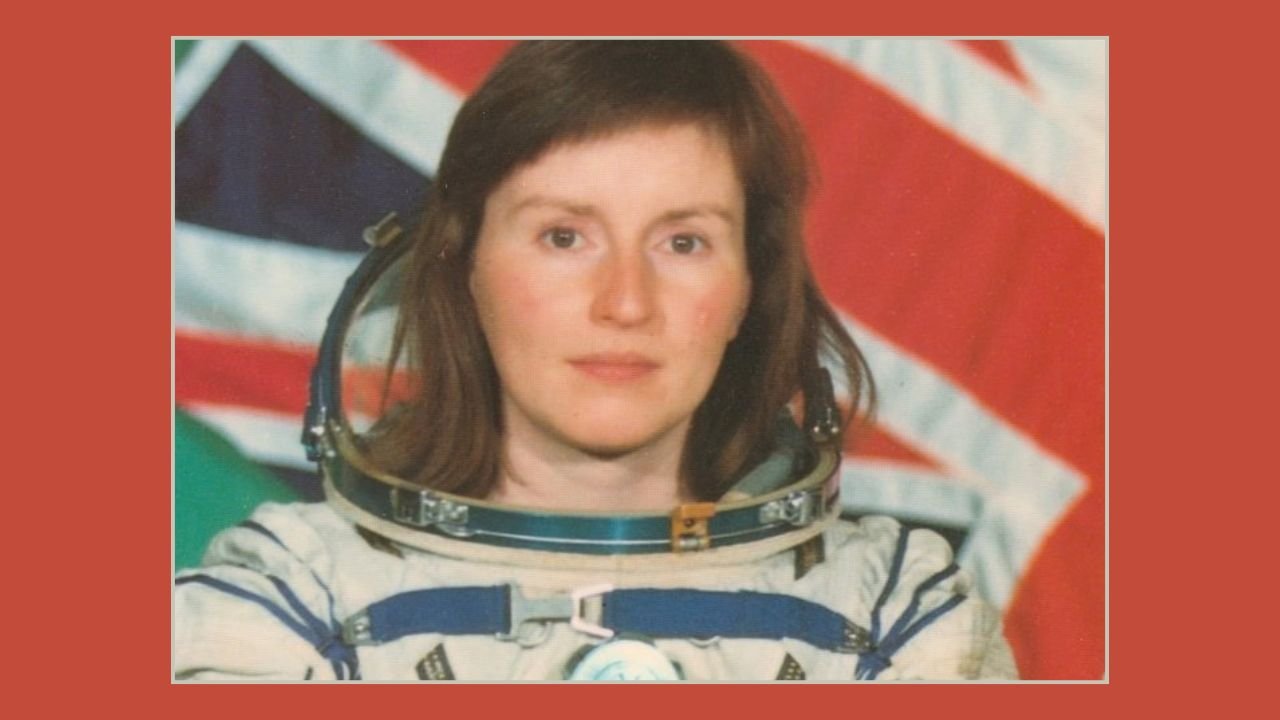
A Remarkable British Story
When thinking about the phrase “who is from the UK” in the context of space exploration, one extraordinary person stands out—Helen Sharman. She is a British national whose life and work have left a lasting imprint on the history of space travel, scientific research, and public engagement. Helen’s journey reflects courage, curiosity, and the determination to pursue dreams against all odds. Her story has inspired generations of learners in the United Kingdom and beyond. This article explores her life, achievements, and contributions in detail.
Early Life and Education in the United Kingdom
Born and Raised in Sheffield
Helen Patricia Sharman was born on 30 May 1963 in Sheffield, England, in the United Kingdom. From an early age, she displayed a strong interest in science, particularly in chemistry and physics. These early passions guided her toward a career in scientific research rather than a conventional career path, eventually shaping her journey into space exploration.
Building a Scientific Foundation
After finishing secondary school, Helen enrolled at the University of Sheffield, earning a Bachelor of Science degree in Chemistry in 1984. She then pursued postgraduate study at Birkbeck, University of London, completing her PhD in chemistry by 1987. Her rigorous academic training prepared her for work in both research and industrial chemistry and laid the foundation for her eventual selection as a British astronaut.
From Chemist to Astronaut: A Unique Journey
Unexpected Opportunity from a Radio Advert
Helen’s path to space was unusual. In 1989, she noticed a radio advertisement calling for applicants to train for a British space mission. She applied, fulfilling the key criteria of British nationality, scientific expertise, and physical fitness. Accepting this opportunity proved to be life-changing and set her on a path to global recognition.
Selection from Thousands of Candidates
Out of over 13,000 applicants, Helen Sharman was chosen for Project Juno, a privately funded mission aiming to send a British astronaut into space. The selection process tested candidates for scientific knowledge, physical endurance, psychological resilience, and the ability to work in a team. Helen’s excellence in every stage earned her the position of lead astronaut for the mission.
Rigorous Training for an Extraordinary Mission
Intensive Preparation in Russia
Following her selection, Helen traveled to the Yury Gagarin Cosmonaut Training Centre in Star City, Russia. She underwent 18 months of intensive preparation, training alongside Soviet cosmonauts to master spacecraft operations, emergency procedures, physical fitness, and Russian language skills. The training challenged her mind and body, preparing her for the demands of spaceflight.
Readying for Spaceflight
This period of preparation also helped Helen build trust and teamwork with her fellow crew members. She practiced in simulators, completed emergency drills, and prepared for life in orbit aboard a spacecraft and a space station. Her meticulous preparation ensured she could complete her mission tasks successfully while in space.
Historic Space Mission: Breaking New Ground
Launch Aboard Soyuz TM‑12
In May 1991, Helen Sharman became the first British person in space. She launched aboard the Soyuz TM‑12 spacecraft with Soviet cosmonauts, traveling to the Mir space station. During the mission, which lasted almost eight days, she conducted important scientific experiments and gained invaluable experience working in a microgravity environment.
Life and Work on the Mir Space Station
On Mir, Helen conducted experiments in medical research, agriculture, and chemistry to observe the effects of space on biological systems. She also took part in educational outreach, communicating with schoolchildren through amateur radio, making science and space exploration tangible for students across the UK.
Completing Her Mission
Upon completing the scientific and educational objectives, Helen returned to Earth aboard Soyuz TM‑11. Her journey marked a historic milestone for the United Kingdom and for women in global space exploration.
Recognition and Honors After Spaceflight
National Honors from the United Kingdom
Helen Sharman was recognized for her pioneering achievement with the title Officer of the Order of the British Empire (OBE). This prestigious honor acknowledged both her scientific contributions and her inspirational role for young people pursuing science careers.
Ongoing Recognition in the Scientific Community
Helen’s accomplishments have continued to receive recognition over the years. Her work has strengthened public engagement with science and inspired new generations of researchers and explorers in the UK and internationally.
Life After Astronautics: A Career Beyond Space
Science Communication and Leadership
After her spaceflight, Helen dedicated herself to science communication and education outreach, delivering talks at schools, universities, and public forums. Her goal was to inspire students to pursue careers in STEM (Science, Technology, Engineering, and Mathematics).
Roles in Premier Institutions
Helen has also served in leadership and advisory roles at prestigious institutions, including the National Physical Laboratory and Imperial College London. Her work focused on promoting scientific engagement and mentoring the next generation of scientists and engineers.
Inspiring Future Generations
Helen regularly engages with students across the UK, sharing her experiences and discussing advances in science and technology. Her ongoing outreach in 2026 continues to encourage young learners to dream big and pursue careers in exploration and innovation.
Legacy of a British Space Pioneer
Breaking Cultural and Scientific Barriers
Helen Sharman’s achievements are remarkable not only because she became the first British astronaut, but also because she did so by forging a unique path that combined scientific rigor with bold opportunity. Her story demonstrates the power of determination, academic excellence, and readiness to embrace new challenges.
A Role Model for Diversity and Inclusion
Her journey has also promoted diversity within STEM fields and space exploration. As the first British woman in space and one of the earliest Western European women to achieve this, she helped expand perceptions of who can become an astronaut.
Conclusion: Sharman Helen’s Lasting Legacy
Sharman Helen stands as a remarkable example of British excellence in science and space exploration. From her early years in Sheffield to becoming the first British astronaut, she has shown that determination, curiosity, and courage can break barriers. Her journey not only advanced scientific research aboard the Mir space station but also inspired countless young people across the United Kingdom to pursue careers in science, technology, engineering, and mathematics. Beyond her space mission, her continued work in education, leadership, and public outreach highlights her lasting influence. Sharman Helen’s legacy proves that ambition and perseverance can turn dreams into reality, leaving an enduring mark on the UK and the world.
READ MORE: Sarah Storey: Britain’s Most Decorated Paralympic Legend
